


January 2026
In this VETgirl online veterinary continuing education blog, Amy Johnson, LVT, Senior CE Manager with VETgirl, reviews the Colorado voter-approved Proposition 129, HB 25-1285, that allows statutory authority for the Colorado State Board to establish rules and regulations for a new veterinary role – Veterinary Professional Associate (VPA). Continue reading to gain a broader understanding of the whys and reasons. Stay informed, engage actively, and prepare strategically for navigating this new role within our profession.
Moving Forward with Prop 129: An Update a Year Later
By Amy Johnson, LVT, VETgirl Senior CE Manager
Introduction & Recap
When Colorado voters approved Proposition 129 in November 2024, the veterinary profession awakened to a paradigm shift. Prop 129 authorized the creation of a new Veterinary Professional Associate (VPA) role — a mid-level provider licensed by the state, holding a master’s degree (or equivalent), and functioning under the supervision of a licensed veterinarian.1

The rationale: Colorado and many states increasingly face veterinary workforce shortages, especially in rural and agricultural areas. Proponents argued that VPAs will expand capacity, allow task delegation, and improve access to care.2 Critics — professional organizations including CVMA, AVMA, and AAVSB — warned about risks in scope, training ambiguity, quality of care, and regulatory oversight.3
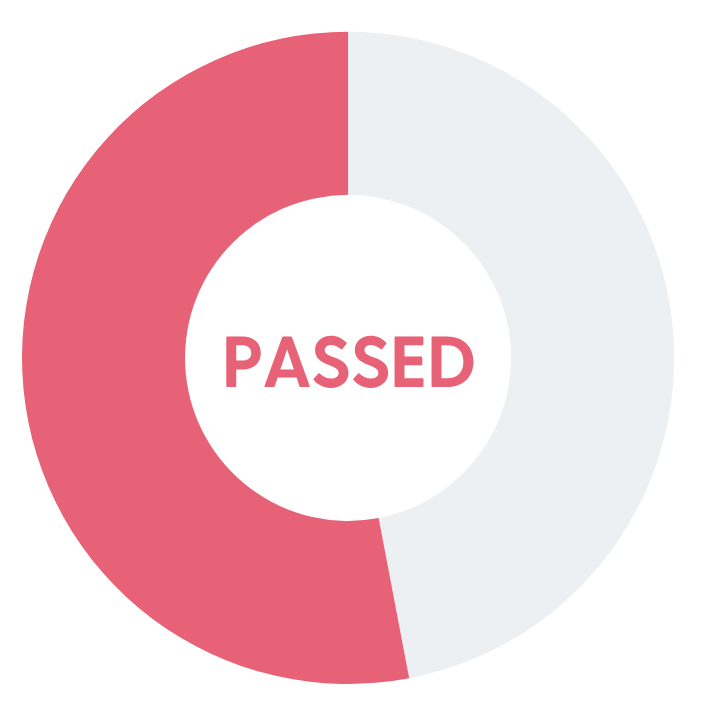
The proposition passed by a modest margin (~53 % to 47 %) on November 5, 2024.4 But governance, rulemaking, implementation, and real-world adjustments lie ahead. In this updated blog, I revisit the promises, challenges, and new developments as of late 2025 through the lens of practicing veterinarians and veterinary technicians.
What Prop 129 Actually Enables: The Statutory Framework (Update as of 2025)
HB 25-1285: Regulatory Backbone
Following voter approval, Colorado’s legislature passed HB 25-1285, which provides the statutory authority for the Colorado State Board of Veterinary Medicine to establish rules and regulations for the VPA role.5 This law clarifies:
• Effective date / practice start: VPAs may begin practicing under supervision as of January 1, 2026.5
• Registration & oversight: The Colorado State Board of Veterinary Medicine is empowered to issue, renew, deny, suspend, or revoke VPA registrations, and to put rules into place defining scope, supervision standards, education equivalencies, and discipline protocols.5
• Scope / allowed tasks: VPAs may perform tasks “within their qualifications,” under supervision of a licensed veterinarian. The statute mandates that supervision levels and delegated procedures must ensure high quality and safety, though detailed definitions will emerge through rulemaking.5
• Accountability & “competency”: The law underscores ensuring that VPAs be competent, appropriately supervised, and clearly accountable.6
• Transition / grandfathering: The law and board rules are anticipated to define how existing personnel (e.g. experienced vet techs with advanced training) may transition into the VPA role (if permitted). As of now, no formal university programs yet exist.6
Thus, as of now (fall 2025), VPAs are still theoretical — they are not yet practicing, and their detailed scope and supervision regimes are under active development by Colorado’s regulatory bodies.
CSU’s Master’s Program & Timeline
Even before Prop 129 passed, Colorado State University (CSU) has been planning a Master’s in Veterinary Clinical Care program aimed to train future VPAs.7 As of late 2025, CSU is reportedly proceeding with curriculum development, stakeholder consultation, and accreditation planning (though the first cohort will likely start close to the 2026 launch date).7
Thus, in practical terms, veterinarians and practices have roughly one year to prepare for the initial wave of VPAs.
Key Questions & Concerns: What We’ve Learned (2024 → 2025)
Scope Clarity is Critical (and Still Unclear)

One of the biggest debates with Prop 129 is how broadly VPAs will be permitted to act—especially in surgical, diagnostic, and therapeutic domains. Prop 129’s ballot language and statute use terms like “routine surgeries” and “tasks within their qualifications”,7 but critics argue that such language leaves too much ambiguity.
After a year, stakeholders (including veterinary associations and state regulators) are actively working to clarify:
• Which spay/neuter or soft tissue surgeries VPAs may perform, and under what supervision (direct, indirect, or remote oversight).
• Whether VPAs may prescribe or dispense controlled or non-controlled drugs, and under whose responsibility/license.
• How emergency interventions (e.g. stabilization, urgent surgery) may be allocated or restricted.
• How diagnostics & imaging interpretation responsibilities will be divided.
Professional organizations continue to emphasize that any delegated authority must ensure that a licensed veterinarian retains ultimate responsibility and oversight.3 In their “Midlevel Practitioner Proposal Secures Enough Votes in Colorado” commentary, AVMA also flagged concern that insufficiently rigorous training (e.g., partly online) might underprepare VPAs for surgical or medical complications.8
It’s also important to emphasize that defining a clear scope of practice for a VPA inherently requires clarifying the roles of credentialed veterinary technicians and veterinary assistants. We’re introducing a new position into a system that already faces role confusion. Without clearly outlining the responsibilities of all existing professionals, regulating this new role will be challenging.
Because rulemaking is ongoing, it is essential that practices engage in the regulatory process (public comment, board hearings) if they want a voice in shaping safe, workable frameworks.
Workforce & Economics: Expectations vs. Realities
Hypothesis at Passage:
VPAs will improve access to care, reduce costs, and reduce veterinarian burnout by delegating lower-acuity tasks.
Emerging Reflections (2025):
• Pipeline timing: Because the first VPAs likely won’t be practicing until 2026, the immediate workforce relief will not be seen in 2025. Veterinary practices cannot (yet) rely on VPAs to bridge the gap.
• Transition of roles: Some veterinary technicians or experienced professionals may aim to transition toward VPA pathways. The details of equivalency / grandfathering rules remain uncertain, which causes planning challenges for existing team members. The question remains: will this role cause a more extensive veterinary technician shortage?
• Economic models: It remains to be seen whether services by VPAs will indeed have lower billing rates (and how insurers or clients will respond). Practices will need to re-evaluate how to integrate VPAs into their staffing cost models.
• Geographic distribution: Strategic deployment will matter — rural or underserved areas may see the first benefit. However, unless VPAs are incentivized to locate in shortage zones, their distribution might mirror existing patterns (clusters around higher-demand or urban areas).
• Liability & insurance: Insurance underwriters, malpractice risk, and oversight risk must be closely scrutinized. Veterinarians must mitigate risk by clear contracts, scope definitions, supervision protocols, and continuing oversight.
Professional Tensions & Collaboration
After passage, there has been robust debate and tension:
• Some veterinary associations remain cautious or opposed, voicing concerns that VPAs might lead to diminished standards or potential for complications if scope is overreached.9
• Supporters (e.g., ASPCA, “All Pets Deserve Vet Care”) view the measure as a win for pet owners and workforce expansion.10
• The actual rulemaking process has become a key battleground: stakeholder engagement (veterinary councils, veterinary technician associations, boards of veterinary medicine) is underway as of 2025. Practices, veterinary technician associations, and state boards are submitting comments and proposals for supervision levels and delegated responsibilities.
• Some concerns persist over educational quality: how robust will the master’s curricula be? How will clinical hours, surgical exposure, and emergency training compare to human PAs or nurse practitioner models?
Guidance for Veterinary Practices in Colorado (and Beyond)
If you are a veterinarian or practice manager in Colorado (or another state watching this evolution as other states are getting ready for this position), here are strategic considerations in the coming months:
Engage Early in Rulemaking
• Monitor the Colorado State Board of Veterinary Medicine’s website for draft rules, public comment periods, and hearings.
• Submit comments, voice concerns, or support over proposed supervision levels, allowed procedures, continuing education requirements, and liability protections.
• Encourage your whole team, especially the veterinary technicians, to review proposals and weigh in.
Prepare Organizational Frameworks if You Think You Will Incorporate This Role Into Your Practice Model
• Define how a future VPA role would integrate into your staffing model: what tasks will be delegated, under what supervision, with what oversight.
• Design protocols for supervision, referral, handoff, escalation, and quality assurance (QA).
• Engage with your malpractice insurance carrier: discuss how coverage will respond to VPA-performed tasks, required oversight, and any changes in liability premium.

Team Development & Transition Planning
• Identify high-performing experienced vet techs or technicians with leadership ambition — they may be candidates to transition toward VPA pathways.
• Explore how continuing education, mentorship, and cross-training might bridge parts of the knowledge gap.
• Communicate transparently with your team about potential role changes, expectations, and career paths.
Clinical Risk Mitigation
• For any delegated case or procedure, ensure that escalation triggers are clearly defined (when a supervising veterinarian must intervene, or a case must be referred).
• Maintain rigorous QA and case review systems, particularly in surgical or diagnostic tasks newly delegated.
• Meticulously document supervision, oversight, and outcomes (this will help support confidence, safety, and regulatory compliance).
Public & Client Communication
• Be proactive in educating clients: explain what a VPA is, how it differs from a veterinarian or veterinary technician, who supervises, and how quality is ensured.
• Emphasize how integration of VPAs might help reduce wait times, expand access, and allow veterinarians to focus on more complex care.
Monitor Outcomes and Metrics
Once VPAs begin practicing, track key outcomes:
• Complication and adverse event rates for procedures done by VPAs vs. veterinarians.
• Referral, reintervention, or revision rates.
• Client satisfaction, cost per case, and revenue impact.
• Team member turnover and job satisfaction — does the VPA role relieve burnout or introduce friction?
Sharing data transparently (within legal/regulatory bounds) with colleagues, associations, and state boards can help calibrate safe scope over time.
What to Watch Over The Next 12–24 Months

As we head toward the 2026 rollout (and beyond), here are major inflection points to track:
1. Release of draft rules for public comment — expect any unclear or overreaching language about supervision, scope, or oversight to come to light during this stage. This will be your chance to share feedback before the rules become final.
2. First class of VPA students / graduates — their training programs, clinical performance, and job placement will set the precedent for how this role is viewed.
3. Initial licensure and real-world practice — early cases will test whether the framework holds up in practice.
4. Outcome reporting & audits — the first sets of QA data will inform whether the VPA scope needs adjustment, tightening, or expansion.
5. Interstate interest / imitation — if Colorado’s model succeeds (or fails), other states will mimic, reject, or adapt similar approaches to the mid-level veterinary provider role.
6. Legal or regulatory challenges — petitions or litigation may arise if disputes over VPA scope or patient safety emerge.
Final Thoughts for VETgirl Readers
Colorado’s Prop 129 could become a watershed moment in veterinary workforce restructuring — but the real test lies in implementation. The promise is compelling: new career pathways, improved access, lowered stress for veterinarians, and more capacity for primary and preventive care. But success will hinge on how carefully we define scope, supervision, training, and accountability.
For practicing veterinarians and veterinary technicians, this is a moment to stay informed, engage actively, and prepare strategically. The development of the VPA role is not merely a legislative experiment — it will ripple into workflows, liability, mentoring models, team dynamics, and clinical safety.
If you’re based in Colorado (or really anywhere), keep watching the State Board’s rule proposals, participate in public comment, think ahead about how a VPA might integrate into your team, and commit now to rigorous QA. The coming years will reveal whether Prop 129 becomes a model for transformative, safe expansion of veterinary care — or a cautionary tale.
References:
- Colorado General Assembly. “Proposition 129: Establishing Veterinary Professional Associates.” 2023–2024 Colorado Legislative Blue Book, 2024, https://leg.colorado.gov/sites/default/files/images/2023-2024_145vbb.pdf. Accessed 21 Oct. 2025.
- Simpson, Kevin. “Proposition 129: Should Colorado Establish a Veterinary Professional Associate Position?” The Colorado Sun, 4 Oct. 2024, https://coloradosun.com/2024/10/04/proposition-129-explained-colorado-ballot. Accessed 21 Oct. 2025.
- American Veterinary Medical Association (AVMA). “Colorado’s Proposed VPA.” AVMA Advocacy: Workforce — What’s Best, Safe & Quality Animal Care, 2024, https://www.avma.org/advocacy/workforce-what-best-safe-quality-animal-care/colorados-proposed-vpa. Accessed 21 Oct. 2025.
- Colorado Secretary of State. “Results: Proposition 129 (2024 General Election).” Colorado Election Results, 3 Dec. 2024, https://results.enr.clarityelections.com/CO/122598/web.345435/#/summary?category=C_10. Accessed 21 Oct. 2025.
- Colorado General Assembly. B. 25-1285: Veterinary Workforce Requirements. 75th Gen. Asm., First Regular Session, 2025, Colorado General Assembly, 2025. Accessed 21 Oct. 2025.
- Colorado Veterinary Medical Association (CVMA). “HB 25-1285 Regulation of Veterinary Professional Associates Signed by Governor.” CVMA Advocacy Update, 5 June 2025, https://colovma.org/advocacy-update-hb25-1285-signed-by-governor/. Accessed 21 Oct. 2025.
- Colorado Public Radio. “Proposition 129: Establish Position of Veterinary Professional Associates, Explained.” Colorado Public Radio News, 1 Oct. 2024, https://www.cpr.org/2024/10/01/vg-2024-colorado-proposition-129-explainer/. Accessed 21 Oct. 2025.
- American Veterinary Medical Association (AVMA). “Mid-Level Practitioner Proposal Secures Enough Votes in Colorado.” AVMA News, 2024, https://www.avma.org/news/midlevel-practitioner-proposal-secures-enough-votes-colorado. Accessed 21 Oct. 2025.
- Colorado Veterinary Medical Association (CVMA). “Proposition 129.” CVMA Advocacy, 2024, https://colovma.org/advocacy/proposition-129/. Accessed 21 Oct. 2025.
- “Victory for People, Pets, and Vets: Colorado Passes Prop 129.” ASPCA News, 2024. https://www.aspca.org/news/victory-people-pets-and-vets-colorado-passes-prop-129. Accessed 21 Oct. 2025.






Only VETgirl members can leave comments. Sign In or Join VETgirl now!