New achievement unlocked!
New achievement unlocked!


September 2024
In today’s VETgirl online veterinary CE podcast, we’re going to discuss subaortic stenosis and the effects of medical management with two different beta-blockers: sotalol versus atenolol. This is based off a study by Tjostheim et al out of University of Wisconsin-Madison entitled “Association of sotalol versus atenolol therapy with survival in dogs with severe subaortic stenosis.”
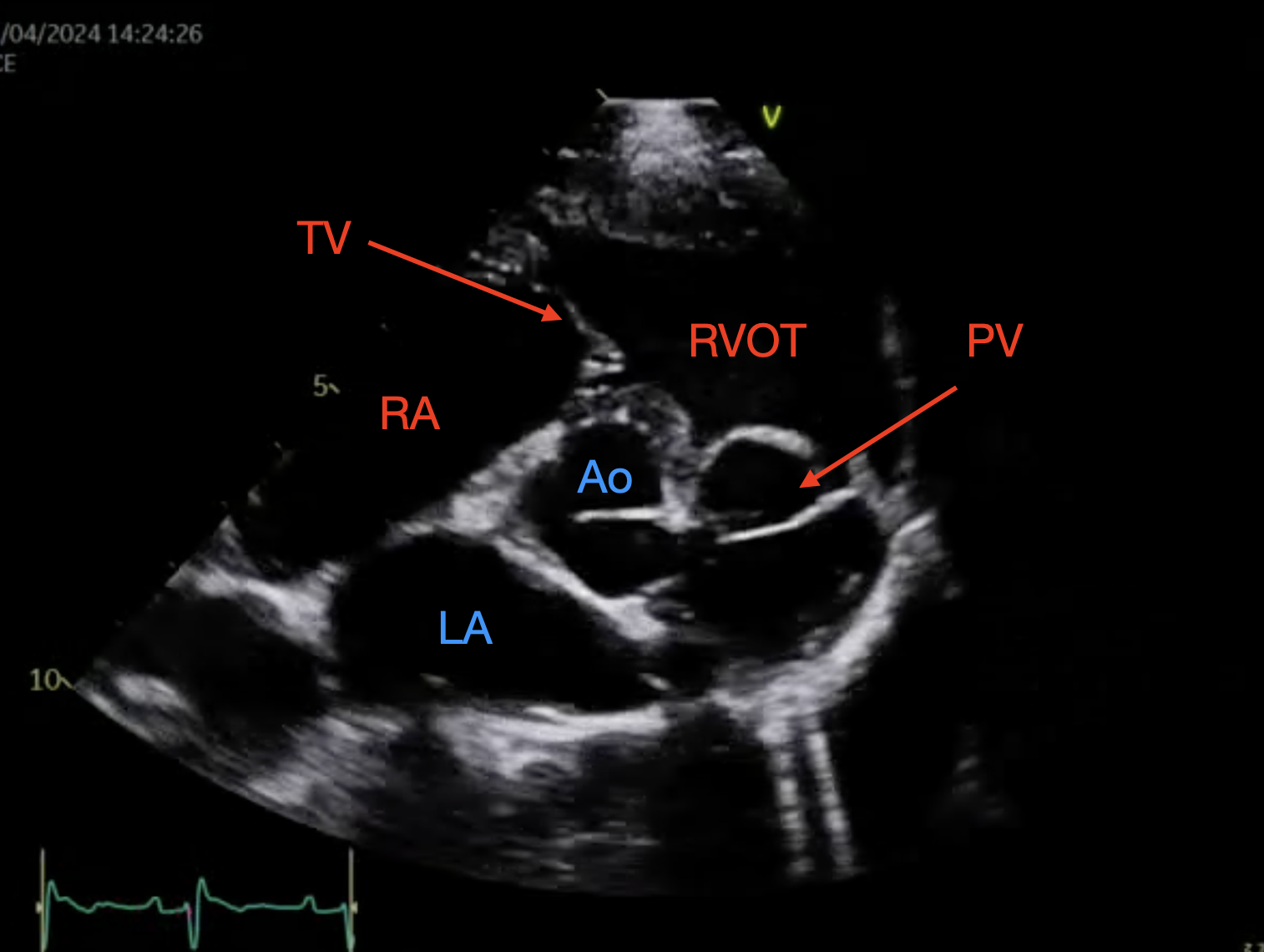
Subaortic stenosis (what we’ll call SAS from now on) in dogs is a congenital condition in dogs caused by narrowing of the left ventricular outflow tract with secondary obstruction to blood flow. This pressure overload causes concentric left ventricular hypertrophy, which in turn has a detrimental effect on coronary blood flow. The latter results in myocardial ischemia, which ultimately leads to fibrosis, and conditions that serve as substrate for cardiac arrhythmias. Dogs with SAS are known to be prone to ventricular arrhythmias and sudden death, the latter most likely to occur between ages 3-5 years old according to published data. Severity of SAS is subdivided as follows based on the Doppler-derived left ventricular-aortic pressure gradient (LV-Ao PG) on echocardiogram:
Severity LV-Ao PG (mm Hg)
Mild 16-35
Moderate 36-80
Severe 80-130
Very severe >130
The fourth categorization, very severe, was recently added based on recent published data supportive that prognosis for dogs with pressure gradients > 130 mm Hg is worse than for dogs whose pressure gradient is 80-130 mm Hg.
Treatment options for SAS are limited, with none documented to improve overall survival – which is frustrating for your friendly neighborhood cardiologist. Atenolol, a beta-blocker or Class I antiarrhythmic, is the most common medication prescribed. Remember, most beta-blockers end with an “lol,” an easier way to remember this cardiac medication! In theory, beta-blockade should reduce myocardial oxygen demand and the severity of the obstruction itself but a survival benefit has not been demonstrated. Surgical interventions, such as open myectomy, balloon valvuloplasty, and cutting balloon valvuloplasty, also have not yet demonstrated a survival benefit despite their ability to reduce the pressure gradient in the short-term.
Antiarrhythmics with properties other than beta-blockade may have a greater ability to suppress ventricular arrhythmias, and subsequently sudden cardiac death. Sotalol carries both nonselective beta-blockade (class II antiarrhythmic) and potassium channel blockade (class III antiarrhythmic) and exists as a racemic mixture of d and l isomers. The class III effect prolongs action potential duration and is the primary mechanism of suppression of ventricular arrhythmias. These properties make sotalol a potentially attractive antiarrhythmic for dogs with SAS.
So, Tjostheim et al wanted to evaluate this in a study entitled “Association of sotalol versus atenolol therapy with survival in dogs with severe subaortic stenosis.” The design and purpose of this paper was pretty straightforward – to retrospectively review medical records of dogs with SAS and determine if:
1) there was a difference in survival between those treated with atenolol vs sotalol, with the hypothesis that sotalol would prove superior, and
2) evaluate if pressure gradient, age (< 1 year vs > 1 year old), breed, and/or severity of aortic insufficiency present at time of diagnosis would have an impact on survival time.
The study was performed at a single site (VETgirl’s neighboring state, UW – Madison) and records over an 18-year period from 2002-2020 were reviewed. Clinical information including physical examination, diagnostic imaging results, electrocardiographic findings, presence or absence of congestive heart failure (CHF), date and cause of death, and date of beta-blocker initiation were recorded where available. For cause of death, cardiac death was defined as sudden death, or death or euthanasia due to CHF. All other causes were deemed noncardiac.
Severity of SAS on echocardiogram was documented based on echo’ findings and pressure gradient cutoffs discussed earlier. Severity of aortic regurgitation was determined using qualitative color Doppler analysis and is important to consider because larger volumes of aortic regurgitation will more rapidly accelerate left ventricular failure. Dogs were excluded if they had only mild or moderate stenosis, had CHF at time of presentation, underwent balloon valvuloplasty of any kind, received beta-blockers other than atenolol or sotalol (think: carvedilol) or beta-blocker was changed during its lifetime, or had other concurrent congenital or acquired cardiac abnormalities that were considered hemodynamically significant. The authors did also investigate whether breed had an effect on survival. Breeds considered to be high risk for SAS included Golden retriever, Boxer, Newfoundland, German shepherd, and Rottweiler – remember, this is typically a big dog congenital heart disease. Dogs that did not die during the study period or were lost to follow-up were considered censored observations within the survival time analysis.
85 dogs were diagnosed with SAS during the study period of which only 43 met the inclusion criteria. Golden Retrievers (n=9) and Boxers (n=8) were by far the most common breeds represented. 65% of the dogs presented with no clinical signs; of those that did present with clinical signs, these included syncope, exercise intolerance, lethargy and coughing, most commonly. 29 dogs comprised the atenolol group with a median dose of 2.1 mg/kg/day compared with 14 dogs in the sotalol group at a median dose of 4.9 mg/kg/day. There was a clear date of demarcation in 2017, whereby the vast majority of dogs in atenolol group were prescribed the drug prior to 2017, whereas the vast majority of sotalol dogs began sotalol after 2017. Dogs did not receive any other medications at time of diagnosis of a beta-blocker.
No significant differences were noted between groups with regards to pressure gradient, age, breed, and severity of aortic regurgitation, and there was also no difference in the number of dogs diagnosed with very severe SAS at greater than one year of age vs less than one year of age. Many of the dogs in both groups has concurrent congenital disease deemed clinically insignificant (for example, mild valvular dysplasias, restrictive ventricular septal defect, etc.), which is worth noting to illustrate that SAS often does not occur in isolation. Only a small number of dogs in either group had any supraventricular or ventricular ectopy documented on either electrocardiogram or Holter monitor, but very few had Holter monitors placed.
Let’s look at the survival data and the author’s hypothesis here was that sotalol would prove superior to atenolol in dogs with SAS. Ultimately 34 of the 43 dogs in the study died, with equal percentages of dogs in the atenolol and sotalol groups represented (79% died in each group). Fourteen of these total deaths were sudden cardiac death. 30% of dogs in the atenolol group died suddenly, compared with 63% in the sotalol group. This did NOT prove to be statistically significant, but we will revisit this comparison in a moment. There was also no significant difference in proportion of dogs that died from CHF in the atenolol group (26%) versus the sotalol group (9%).
When all-cause mortality was assessed, median survival time for the atenolol group was 1491 days and for sotalol was 613 days, although this apparent large difference in time was NOT statistically significant. Likewise, despite a subjectively large difference in median survival time for cardiac death (which was due to cardiac-related euthanasia, CHF, and sudden death combined), which was 2189 days for the atenolol group and 727 days for sotalol group, this difference did not attain statistical significance, either. However, for dogs that died suddenly, specifically, a statistically significant difference WAS identified between the groups, with the median survival time for atenolol undefined (because a number of dogs were still alive at final recorded follow-up) compared with 1205 days for the sotalol group (p = 0.046). This difference was no longer present when a subgroup analysis was performed for dogs with very severe disease, only. An insufficient number of dogs was present in the severe group to allow for subgroup analysis of that group.
Worthy of note, the data for survival for dogs with severe vs very severe disease (regardless of treatment group) was consistent with the data from recent publications in which the “very severe” group was actually created. Median survival time for dogs in the “very severe” group was 562 days in the all-cause analysis, 727 days in the cardiac-related death analysis, and 1205 days for sudden cardiac death, compared with 2128 days, 2698 days, and undefined for those three categories in the “severe” group. That’s important information to have when discussing prognosis with owners.
Interestingly, dogs who were less than one year of age at time of diagnosis and initiation of treatment appeared to have significantly shorter all-cause and cardiac-related survival times than dogs who were diagnosed and began treatment at greater than one year of age in this study, though this difference did not carry over into the sudden cardiac death analysis, nor was it maintained in the multivariable model, suggesting there were likely some other confounding factor influencing that variable. Prior studies also have not supported such a premise, so it seems less likely there is something “there” there.
Briefly, it should be mentioned that the severity of aortic regurgitation did not affect survival within the study, either, however this should be qualified immediately by stating that the basic method by which aortic insufficiency volume is generally assessed on a clinical echocardiogram (and was the case in this retrospective study) is semi-quantitative using subjective assessment of color flow. It is highly possible, if not likely, that this method does not accurately quantify aortic insufficiency volume, which is best assessed via more detailed Doppler methods that are more technically challenging and not always performed in practice. So ultimately, I think we should not draw any conclusion from this study regarding this parameter.
In summary, there are two main take-home findings from the multivariate analysis of this study, one of which we expected, the other was not. The first key finding was that left ventricular-aortic pressure gradient significantly influenced mortality in the all-cause, cardiac-related, and sudden cardiac death groups as mentioned above. This is not surprising theoretically, in that a worse stenosis should be associated with more severe secondary myocardial disease, which should influence outcome. Beyond theory, it importantly also corroborates the recently published data in which the “very severe” category was created, which showed a distinct negative correlation between survival time and severity of stenosis. Given the lack of data demonstrating positive outcomes on survival with virtually any treatment for SAS, including cutting and high-pressure balloon valvuloplasty, it begs the question as to whether we are not appropriately targeting the SAS population with these options. Perhaps dogs with very severe disease will demonstrate longer survival time with cutting balloon valvuloplasty (vs without) that may not translate to dogs with pressure gradients < 130 mm Hg – suggesting that the procedure is in fact warranted for the very severe population, only. Definitely food for thought, and fodder for a more targeted prospective study assessing cutting and high-pressure balloon valvuloplasty in dogs with very severe SAS vs severe SAS.
The second key finding, which was in direct contraindication to the study hypothesis, was that treatment with sotalol was actually associated with increased risk of sudden cardiac death compared with atenolol. The primary perceived benefit of sotalol, versus atenolol, in dogs with SAS is the additional component of suppression of ventricular tachyarrhythmias by class III potassium channel blockade which has been well documented in humans and dogs with other forms of cardiac disease. However, sotalol has also been documented to be capable of proarrhythmia, specifically Torsade des Pointes (a precursor to ventricular fibrillation) via excessive delay of repolarization and dispersion of refractoriness within the myocardium, which may be more prominent at slower heart rates because of a phenomenon known as reverse use dependence. Additionally, the beta-blockade effect of sotalol can promote bradyarrhythmia, which could exacerbate preexisting bradyarrhythmias, if present. Vagal bradycardia and vasodilation have been documented in humans with aortic stenosis, thus perhaps this is also occurring in some dogs with SAS.
It is worth noting that in humans, there are multiple studies demonstrating increased mortality with the use of Sotalol to suppress ventricular or supraventricular arrhythmias. These studies did specifically document proarrhythmia as a result of sotalol, including both tachy- and bradyarrhythmias. So, like any antiarrhythmic, sotalol also has the potential to be proarrhythmic, which can seem counterintuitive. That’s what we get when we mess with ion channels in a relatively imprecise way. So, what do we take away from this VETgirl podcast? Well, the study we’ve discussed today is the first to suggest that treatment with sotalol may actually worsen outcome in dogs with severe or very severe SAS.
Like any retrospective study, this one has limitations that must be used as perspective when interpreting the results, namely the small sample size, lack of an untreated control group, incomplete medical records, lack of standardized treatment dosing and protocols, and inconsistent follow-up, to name a few. Another major limitation is the lack of Holter monitoring performed, both pre- or post-treatment, to quantify arrhythmia severity in these dogs. Perhaps by chance, the dogs in the sotalol group had more significant arrhythmias to begin with, in which the shorter survival time in those that died suddenly may not have been because of, but perhaps in spite of, the sotalol – speculation for sure – but these types of questions require clarity and are the reason why the second key finding of a shorter survival time with sotalol-treated dogs in the sudden cardiac death group should be viewed simply as an interesting, eyebrow-raising finding that perhaps is true, but warrants a more detailed prospective study with an appropriate control group and serial Holter monitoring in the future.
Reference:
Tjostheim SS, Showers A, Obernberger C. Association of sotalol versus atenolol therapy with survival in dogs with severe subaortic stenosis. J Vet Cardiol 2023:48, 19-30.
Not a VETgirl ELITE member? Get your learning on with the #1 veterinary CE resource – clinically relevant, practical, and accessible 24/7 on your own time! Don’t miss out – click HERE to check out your options, including our new 14-day, no-commitment ELITE Trial.

Webinar
Jan. 23, 2026 / Available On-Demand

Podcast
Dec. 8, 2025 / Available On-Demand
Blog
Jun. 27, 2025 / Available On-Demand

Webinar
Aug. 6, 2025 / Available On-Demand

Podcast
Jun. 25, 2025 / Available On-Demand
Podcast
May. 12, 2025 / Available On-Demand
New achievement unlocked!
Only VETgirl members can leave comments. Sign In or Join VETgirl now!